




|
Quantity
|
Out of stock
|
||
|
|
|||
|
|
|||
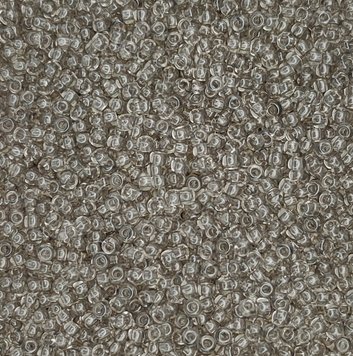
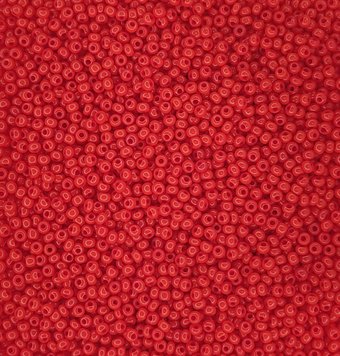
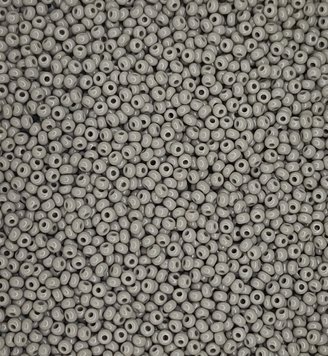
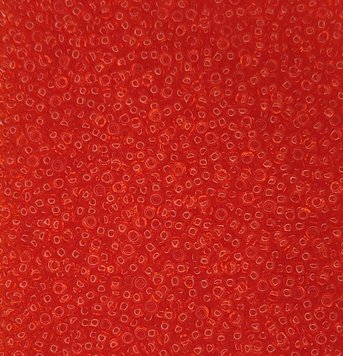
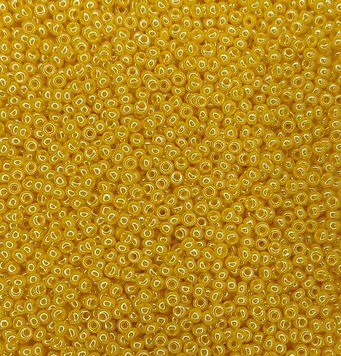
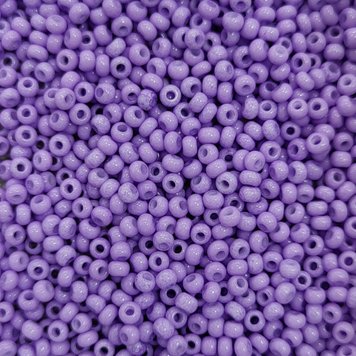
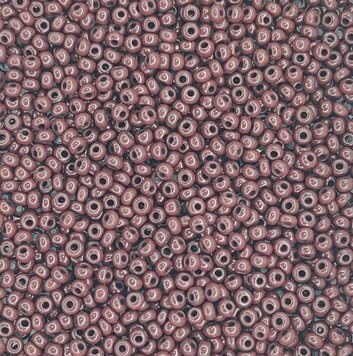
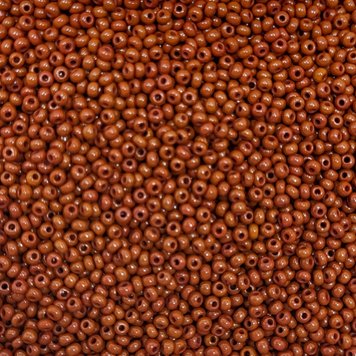
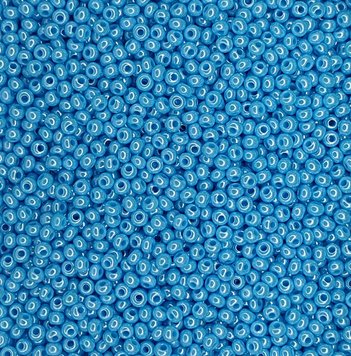
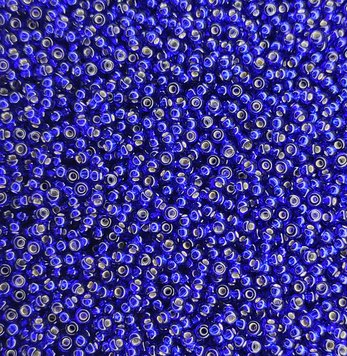
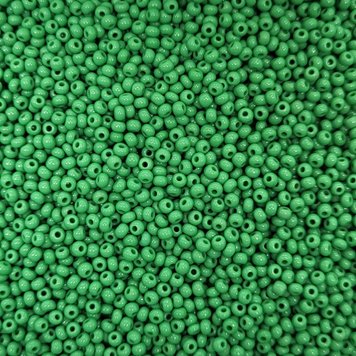
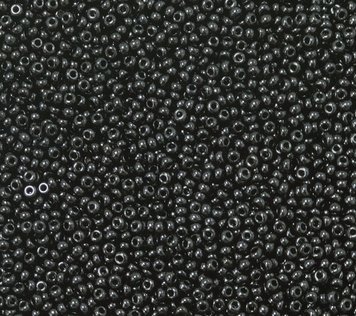
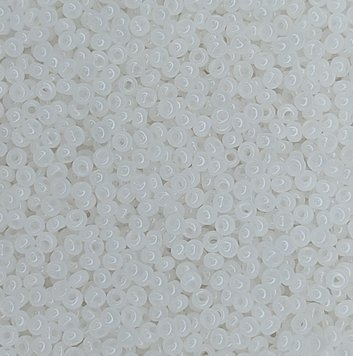
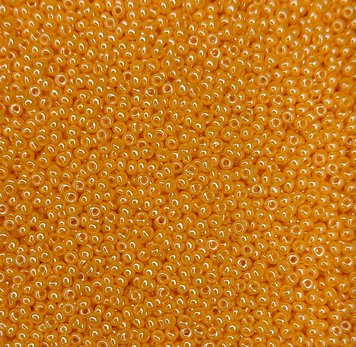
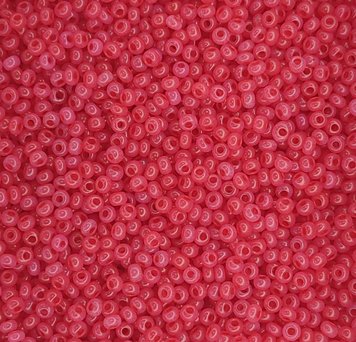
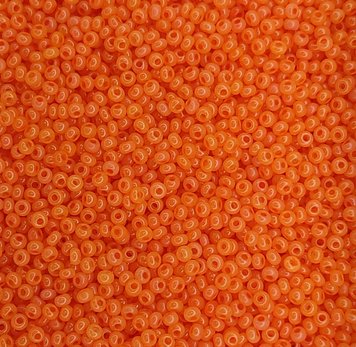
Czech Preciosa Ornela beads have a wide color palette of shades and are used for various types of handicrafts: bead embroidery for paintings and icons, weaving of gerdans and bracelets, different jewelry and accessories, bead trees and flowers, and more.
When selecting beads for projects, it is important to consider their structure, because different types of beads do not always combine well with each other, even if the colors seem to match. By structure, beads are divided into the following types:
- transparent;
- transparent matte;
- transparent with colored lining;
- transparent with silver-lined core;
- alabaster;
- ceramic;
- ceramic matte;
- cut (abraded);
- metallic;
- pearl;
- etc.
It is also important to pay attention to colorfastness, as most bead types have unstable surface coatings and may fade during washing or under sunlight.
In the market, you can find first and second grade Czech beads. What is the difference and where can they be used?
First-grade Czech beads do not require calibration; the manufacturer allows a defect rate of 3–4%. For embroidery or jewelry making, it is better to use first-grade beads. For bead floristry, second-grade beads may also be suitable, as uniformity is not always critical in this type of craft. Second grade is a sorting reject, and the defect rate can reach 10–15% of the batch. That means if you buy 50 grams, approximately 5–8 grams may be defective beads.
First-grade beads are significantly more expensive than second-grade ones, and you should consider how much time you would spend manually sorting lower-grade beads, as well as how many unusable beads (without holes or with defects) you would have to discard. Is your time worth it?
Preciosa beads are made of glass and colored either inside or outside. Other materials are also used in production. For example, lustred beads may contain precious metals, while “fire polish” beads are coated inside with silver or bronze.
Size 10/0 beads are considered embroidery beads; they are round in shape, and most embroidery patterns printed on beadwork blanks are designed specifically for this size.
Now about Preciosa numbering, which is often confusing. Original Czech bead numbers consist of 5-digit codes, with additional modifiers such as “39” for matte beads or “29” for square centers. The VDV brand, an official representative of Preciosa in Ukraine, has renamed these into its own 3-digit codes. By the way, in our bead catalogs you can find a conversion table from VDV numbers to Preciosa codes.
We sell only first-grade Preciosa Czech beads in 10-gram packages. Wholesale purchases are also available — discounts apply for orders starting from 50 grams of a single color.
In our online store you can find beads in many shades: white, yellow, green, gold, red, black, purple, brown, orange, pink, blue, and more.
The website has convenient filters by bead structure and color. You can also use the search bar to easily find and purchase Czech beads by number.
We ship orders within Ukraine and worldwide via Ukrposhta and Nova Poshta. For international customers looking to buy Czech beads in Poland, Germany, Lithuania, or any other country (except russia), please see our article about international shipping costs.
Orders can be paid online, via bank transfer, or cash on delivery.
Minimum order amount is 300 UAH.
We work daily from 9:00 to 18:00. If an order is placed outside working hours, our consultant will contact you during business hours.
Contacts:
+38 (066) 1378794
arhibis@ukr.net